We’ve all been sold the myth of inspiration. The lightning bolt. The divine muse. The painter staring at a blank canvas until, suddenly, something appears from nowhere. But in reality, the sparks that shaped culture didn’t come from isolation — they came from collisions.
Take New York in the late ‘70s. Jean-Michel Basquiat and Andy Warhol feeding off each other’s energy, producing work that blurred high art and street culture. Or Studio 54, where disco icons, fashion designers, drag queens, and underground artists shared the same dancefloor, influencing each other’s worlds. Hip hop was born the same way — at block parties in the Bronx where DJs, MCs, graffiti writers, and breakdancers created an ecosystem of creativity that reshaped global culture.
These weren’t accidents. They were scenes. Clusters of people from different backgrounds, colliding in the same space, remixing each other’s ideas. That’s what real inspiration looks like. It’s not waiting for lightning to strike — it’s building the storm.
But today, many creatives are trapped in silos. Instagram forces them into an algorithmic popularity contest, rewarding those who play by its rules rather than those who push boundaries. LinkedIn flattens creativity into professional résumés. Platforms like Fiverr and Upwork reduce art into transactions, quick gigs instead of lasting collaborations. These spaces are efficient, sure, but they rarely foster the kind of unexpected, serendipitous connections that fuel cultural breakthroughs.
And that’s the problem. Because creativity doesn’t thrive when it’s boxed in. It thrives when different worlds collide. When a coder meets a choreographer, and suddenly an interactive dance project is born. When a poet meets a designer, and together they reimagine how words can live visually. When a filmmaker collaborates with a musician and invents an entirely new genre of storytelling. These sparks don’t happen when everyone’s confined to their lane. They happen when communities overlap, intersect, and collide.
This is why inspiration should be treated as a kind of currency. It’s traded between people, built through encounters, multiplied through collaboration. And just like money, the more it circulates, the more valuable it becomes. A stagnant creative scene dries up, but one in constant motion becomes unstoppable.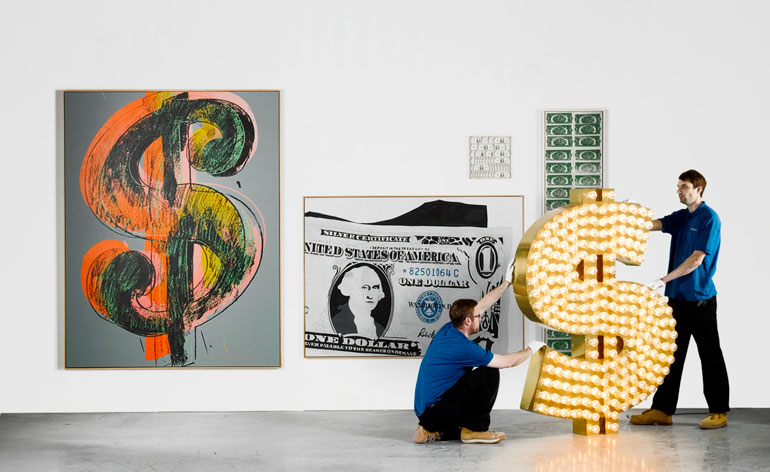
CreateScene was built to be that engine of motion. It isn’t a portfolio site. It isn’t another gig economy app. It’s a space designed to recreate the collisions that fuel creativity — a digital version of the messy studio, the backroom zine shop, the club where different worlds overlap. A place to show your work, but also your personality. A place where inspiration isn’t random, but built into the design of the platform itself.
Because the future of creativity won’t come from algorithms deciding who deserves to be seen. It’ll come from giving creatives the freedom to connect, collaborate, and collide on their own terms. A digital home where those sparks can happen again and again.
Inspiration is the lifeblood of the creative economy, and connection is how it flows. The next cultural movement — whether it looks like punk, hip hop, rave culture, or something we can’t yet define — won’t come from a single genius working in isolation. It’ll come from a scene of people finding each other, feeding off each other, and building something bigger than themselves.
That’s the world CreateScene is trying to unlock. Not a platform for clout. Not a marketplace for transactions. But an ecosystem where inspiration can move freely, collide endlessly, and create the kind of cultural sparks that change everything. Because if inspiration is currency, then CreateScene is the bank where it grows.
Inspiration is Currency. Why Creativity Thrives on Connection.
2025-08-23 22:54:04